Avoiding ATM Fees Across Asian Countries
Alright, let's talk. You just landed. Jet-lagged, excited, ready to dive into a bowl of life-changing street noodles. You find an ATM. You withdraw $200. And the screen tells you there's a $7 fee. For what? For the machine to spit out your own money. It's absurd. That fee could have been five more bowls of noodles, a temple entry, or a decent bottle of local beer. Across Asia, these fees are a silent killer of travel budgets. But you don't have to pay them.
The One Card That Changes Everything
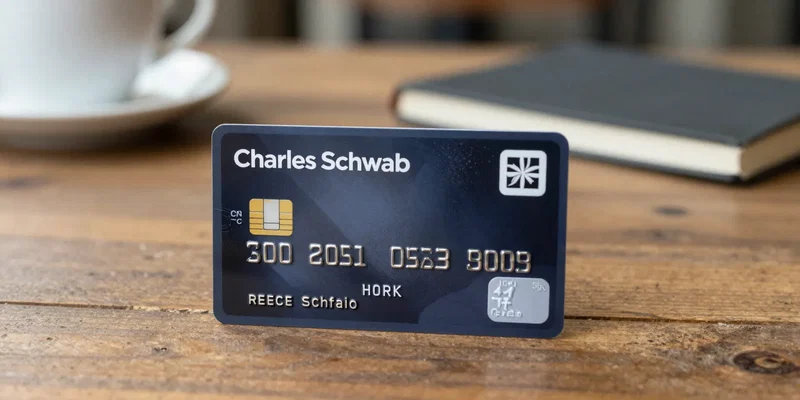
Here's the thing: there's a cheat code. It's the Charles Schwab Investor Checking account with its debit card. I'm not getting paid to say this. It's just the truth. They automatically reimburse every single ATM fee worldwide at the end of the month. Every. Single. One. Need cash in Tokyo, Bangkok, or a tiny Vietnamese village? Use any ATM. Schwab sees the $5 fee on your statement and puts it right back. It's not a trick. It's their policy. It transforms how you access money, turning a moment of anxiety into a non-event. Get this card before you leave. Seriously.
Know Your Enemy: How ATM Fees Work Here
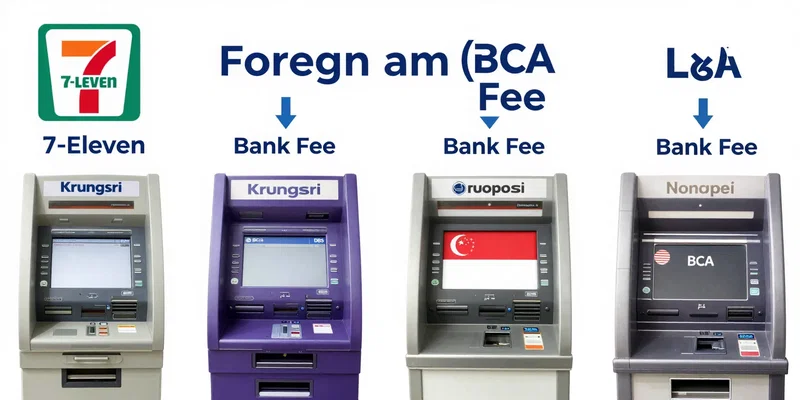
But let's say you don't have that magic card yet. Understanding the fee structure is half the battle. In most Asian countries, you get hit with a double-whammy. First, there's the local bank's fee for using a foreign card. This can range from $2 in Vietnam to a soul-crushing $7+ in Japan or the Philippines. Second, your own bank back home will likely charge you a foreign transaction fee (often 1-3%) and possibly an international withdrawal fee on top. Yep. You're getting mugged from both sides. The goal is to eliminate at least one side of this equation.
Smart Strategies If You're Not With Schwab
No Schwab card? Don't panic. You have options. First, call your bank or credit union *right now*. Ask: "What are your international ATM and transaction fees?" Some online banks and credit unions have decent policies. Second, look into a travel-friendly credit card for purchases to avoid cash altogether where possible. Third, and this is key: withdraw larger amounts less often. If the fee is $5, it hurts less on a $500 withdrawal than on a $100 one. Just be smart about carrying and securing that cash.
Your On-The-Ground ATM Playbook
You're on the street. Phone at 3%. Where do you go? Seek out ATMs at major local banks or inside reputable convenience stores like 7-Eleven (they're everywhere in East Asia). They tend to have better rates and more reliable machines. Avoid the sketchy standalone ATMs in dark hotel corridors or tourist traps. Always, *always* choose to be charged in the **local currency** at the ATM. If the screen offers you a conversion to your home currency (Dynamic Currency Conversion), it's a trap with a terrible rate. Hit "DECLINE" and let your bank do the conversion.
Cash is Still King (With a Backup Plan)
For all our digital advancement, cash rules across vast swathes of Asia. Street food, markets, tuk-tuks, small family-run guesthouses—they often operate on paper money. Relying solely on cards will limit you. So carry a sensible mix. Use your no-fee card for big ATM withdrawals. Keep a small amount of US dollars or Euros as a pure emergency backup (exchangeable almost anywhere). And notify your bank of your travel dates so they don't freeze your card when you try to buy a mango sticky rice at 11 PM. Now go get that cash, keep it safe, and spend it on the good stuff.