The Truth About Riding Motorbikes in Vietnam for Solo Women
Look, the first 10 minutes will feel like pure madness. A river of metal and honking horns flowing in every direction. You're not in Kansas anymore. But here's the thing: it's an organized chaos. There's a rhythm to it. Flow over precision. You'll see locals weaving with groceries, kids, even furniture strapped to their bikes. The key isn't to fight the current, but to become part of it. Signal your intent, move predictably but assertively, and for the love of all that's holy, don't make sudden, jerky stops in the middle of traffic. That's how you get a bumper up your tailpipe.
Your Mindset Is Your First Line of Defense
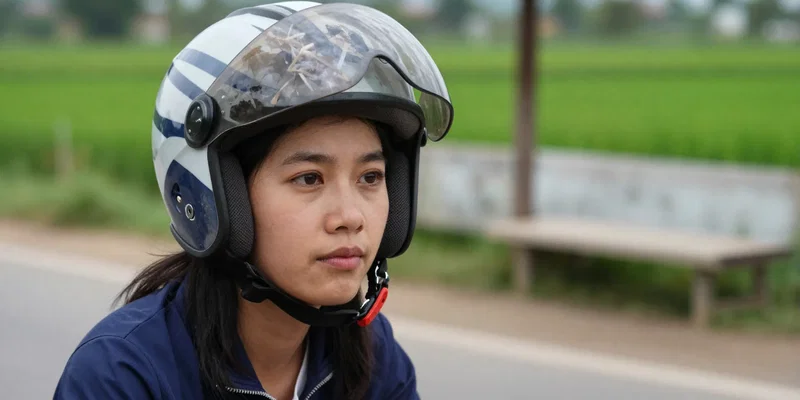
Forget everything you know about Western traffic rules. Seriously. Right-of-way here is often decided by size and momentum. The bigger vehicle usually wins. You need a healthy dose of confidence mixed with a giant serving of defensive awareness. Assume no one sees you. Assume that parked car will pull out. Assume that scooter will U-turn without looking. It's not paranoid; it's practical. This hyper-vigilance you're feeling? That's your new superpower. It keeps you alive. A timid rider is actually a more dangerous one. Be predictable, be visible, be confident. Your brain is your best piece of safety gear.
The Helmet: Your Non-Negotiable Lifesaver
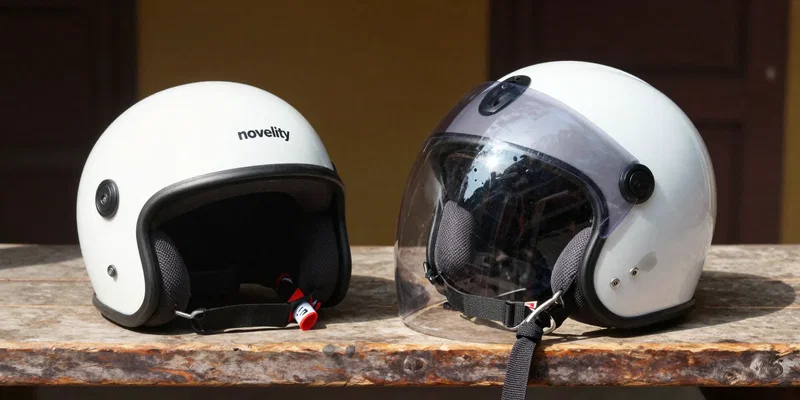
The rental guy will hand you a plastic bowl that wouldn't protect a melon. Don't accept it. I don't care how cute it looks with the little decals. Investing in your own decent helmet is the single most important thing you do. Full-face is best. A proper visor keeps bugs, rain, and road grit out of your eyes. A cheap helmet is just for show—and for avoiding a tiny police fine. A good one is for keeping your skull intact. Scour the shops in bigger cities for international brands. It’s worth every dong. Your brain is kind of important, right?
When Things Go Wrong (And They Might)
You might drop the bike in slick mud. A taxi might nudge you. It happens. First, breathe. Get yourself and the bike out of traffic. Check for injury. This is where having good travel insurance with medical evacuation is not a suggestion. File a police report for anything serious, but for minor scrapes and dents, know that you'll likely be expected to pay for repairs to the other vehicle or your rental bike on the spot. Negotiate. Stay calm. Having a local SIM card with data to call your host or a translator is a game-saver. Most locals are incredibly helpful and will swarm to your aid. Let them.
The Secret Sauce: Where & When to Ride
City traffic is a beast. So tame it on your terms. Practice early on a Sunday morning when the streets are asleep. Get a feel for the clutch and the weight. Then, escape. The real magic isn't in Hanoi or Saigon's downtown. It's on the coastal roads between Hoi An and Hue. It's in the mountain passes of Ha Giang. The traffic thins, the views explode, and riding becomes pure joy instead of urban survival. Plan your big rides for daylight only. Those country roads get pitch black and are shared with trucks, cows, and potholes the size of bathtubs. Night riding is for the experts and the foolish.